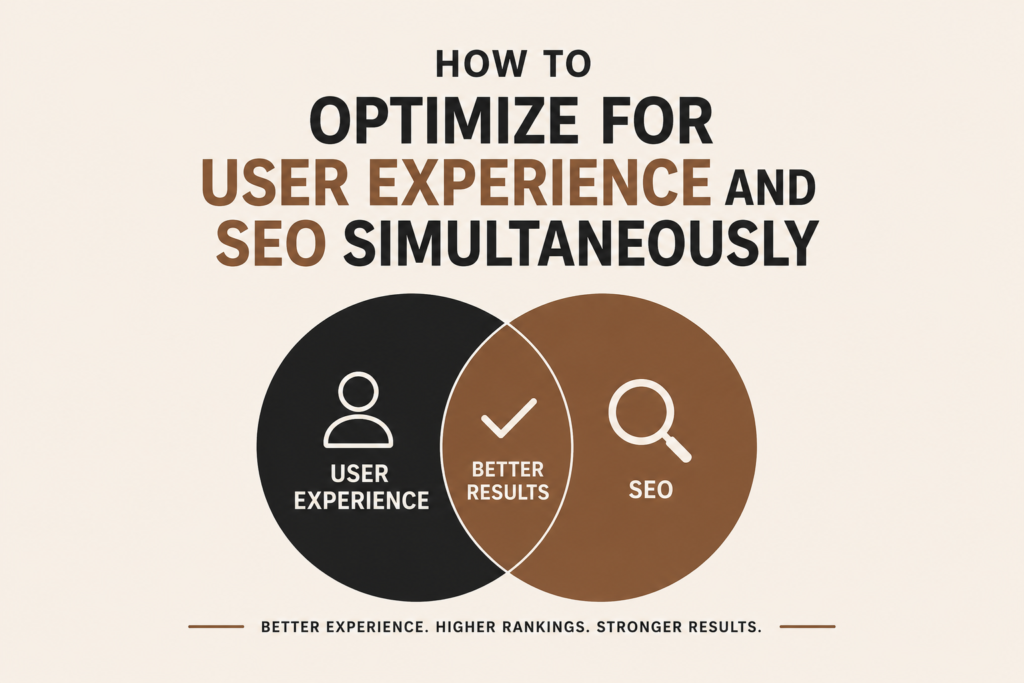
In the modern digital landscape, search engine optimization (SEO) and user experience (UX) are no longer separate strategies. Search engines increasingly prioritize websites that provide valuable, fast, and engaging experiences for users. For digital marketing experts, balancing SEO performance with exceptional user experience is essential for improving search visibility, increasing engagement, and driving long-term conversions.
Google’s evolving algorithms now focus heavily on user-centric ranking factors. Metrics such as page speed, mobile responsiveness, content relevance, navigation structure, and engagement signals directly influence search rankings. This means websites optimized only for search engines—but not for users—are unlikely to achieve sustainable success.
One of the most critical aspects of combining UX and SEO is website speed and performance. Slow-loading websites negatively impact both user satisfaction and search rankings. Visitors expect pages to load quickly, and delays often lead to higher bounce rates and lower engagement. Optimizing images, reducing unnecessary scripts, leveraging browser caching, and improving server response times can significantly enhance both performance and SEO outcomes.
Mobile optimization is equally important. With the majority of users accessing websites through mobile devices, Google prioritizes mobile-friendly experiences through mobile-first indexing. Responsive design, touch-friendly navigation, and fast mobile performance are essential for improving usability and maintaining strong organic visibility.
Content quality also plays a central role in both UX and SEO. Search engines reward content that is informative, relevant, and aligned with user intent. At the same time, users prefer content that is easy to read, visually structured, and engaging. Digital marketers should focus on creating clear headlines, concise paragraphs, interactive elements, and scannable content formats that improve readability while supporting keyword optimization.
Website navigation and structure significantly influence user behavior and search engine crawling. A well-organized website helps users find information quickly while enabling search engines to index pages efficiently. Logical site architecture, intuitive menus, breadcrumb navigation, and strategic internal linking improve both usability and crawlability.
Core Web Vitals have become a major ranking factor in recent years. Metrics such as Largest Contentful Paint (LCP), Interaction to Next Paint (INP), and Cumulative Layout Shift (CLS) measure real-world user experience on websites. Improving these performance indicators not only enhances SEO rankings but also creates smoother and more engaging browsing experiences.
User engagement signals are another important connection between UX and SEO. Metrics such as time on page, click-through rates, bounce rates, and session duration provide insights into how users interact with content. Websites that deliver valuable experiences tend to generate stronger engagement signals, which can positively influence search rankings over time.
Accessibility should also be considered a core part of optimization strategies. Websites designed with accessibility in mind improve usability for all users, including individuals with disabilities. Proper heading structures, image alt text, keyboard navigation, and readable fonts contribute to both inclusivity and SEO performance.
Trust and credibility are equally important. Secure websites using HTTPS, transparent information, clear calls to action, and professional design elements help build user confidence. Search engines increasingly evaluate trustworthiness and authority as part of ranking considerations, especially for competitive industries.
Ultimately, optimizing for both user experience and SEO requires a user-first mindset. Instead of focusing solely on rankings or algorithms, digital marketing professionals should prioritize creating seamless, valuable, and engaging experiences that naturally align with search engine best practices.
As search engines continue evolving toward human-centered evaluation models, businesses that successfully integrate UX and SEO strategies will gain a significant competitive advantage. A website that satisfies both users and search engines is more likely to achieve sustainable organic growth, stronger engagement, and higher conversion rates in the long run.
How to Optimize for User Experience and SEO Simultaneously